

Paving New Pathways For Students


Paving New Pathways For Students

Accords announced this fall with New York state area institutions will provide guaranteed pathways for undergraduates who wish to obtain an advanced degree in health care as well as those who wish to pursue a B.A. or B.S. after graduating from community college.
A Path to PharmD
Doctor of Pharmacy programs—commonly referred to as PharmD—prepare students for a variety of careers as community pharmacists, clinical pharmacists, hospital pharmacists, pharmaceutical industry pharmacists, veterinary pharmacists and more.
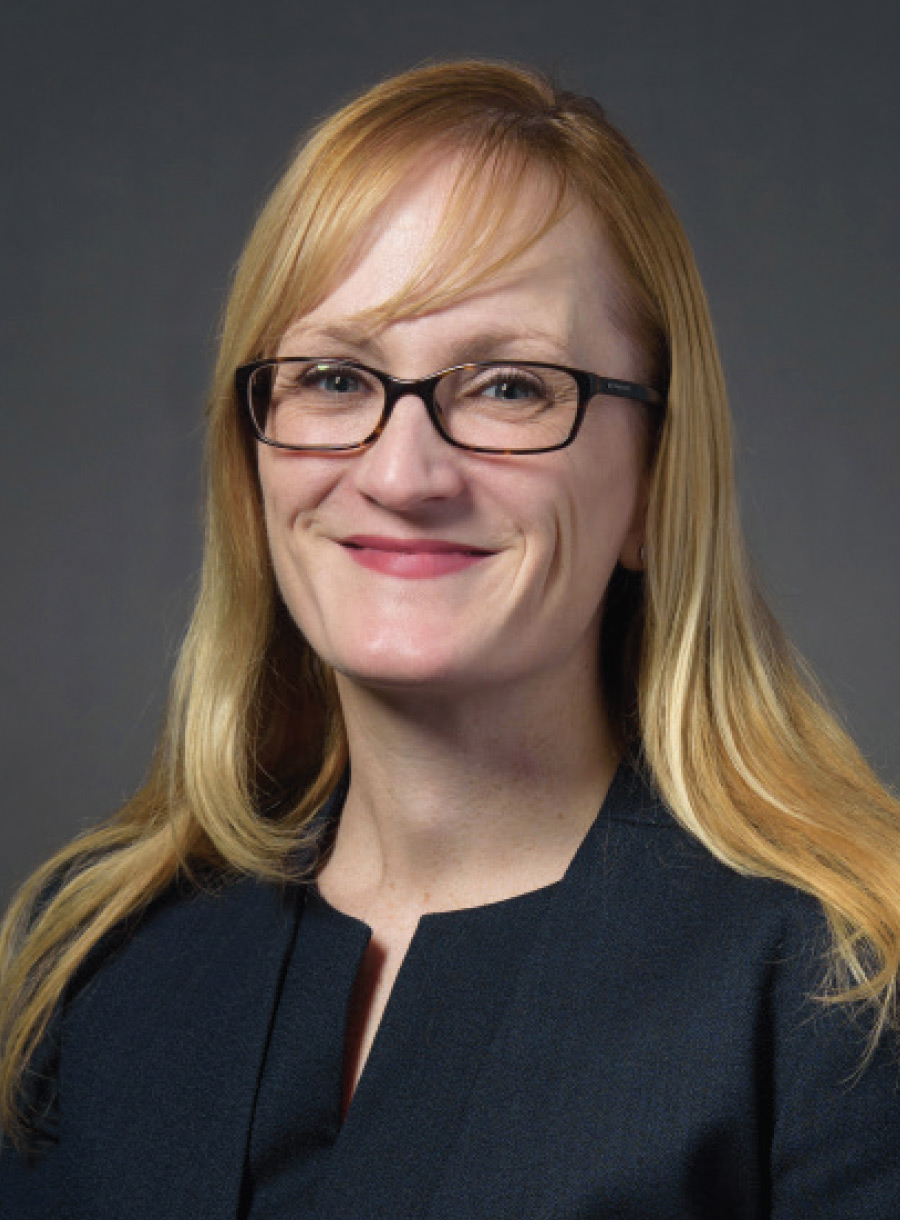
“This articulation agreement joins the extensive and ever-expanding opportunities that we provide for students who are seeking higher education degrees,” noted Heather Barry, Ph.D., SJNY provost and vice president for academic affairs. “We are proud to now be able to assist students as they work toward a PharmD degree, together with the Albany College of Pharmacy and Health Sciences.”
Founded in 1881, ACPHS is a private, independent college located in Albany, NY that offers 17 undergraduate, graduate and doctorate programs. Students at ACPHS have opportunities to extend what they are learning in the classroom at The Stack Family Center for Biopharmaceutical Education and Training; student-supported pharmacies in underserved communities; and The Collaboratory, a public health resource designed to alleviate community health disparities in Albany’s South End neighborhood.

PharmD Careers
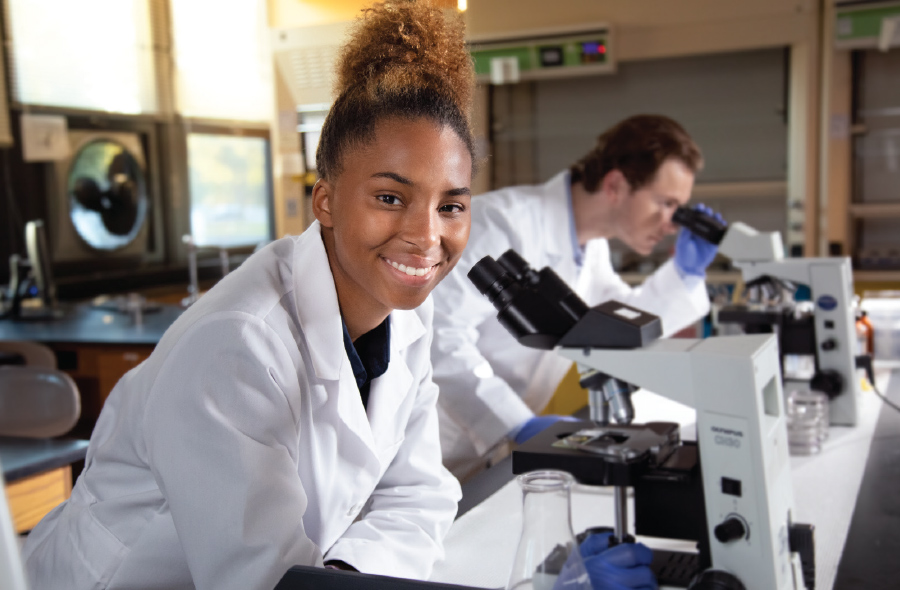
PharmD programs prepare individuals for careers as community, clinical or hospital pharmacists, who not only prepare and dispense medication, but are involved in more direct patient care.
For example, a clinical pharmacist employed by a hospital can attend rounds with a physician or health care team, recommend medications to patients and oversee the dosage and timing of the delivery of those medications. Clinical pharmacists can also evaluate the effectiveness of drugs and a patient’s progress, conduct certain medical tests and offer advice to patients.
Community pharmacists at local pharmacies and chain drug stores are critical providers within the larger U.S. health care system. According to the American Pharmacists Association (APhA) in Washington, D.C., nearly 80 percent of patients view pharmacists as an integral part of their health care team. Community pharmacists often counsel customers on medications and over-the-counter (OTC) remedies, test for illnesses like COVID-19 or strep and administer flu shots. Pharmacists prescribe and manage care in all 50 states for chronic disease management (such as diabetes and hypertension), respiratory infections, immunizations, medications for opioid use disorders and Naloxone.

In addition, there are also more specialized roles for PharmD, such as veterinary pharmacist or infusion pharmacist.
According to the U.S. Bureau of Labor Statistics, the median annual wage for pharmacists is $136,030 and employment opportunities are projected to grow five percent between 2023-2033.
Career opportunities also exist within the wider pharmaceutical industry including marketing, sales and research and development (R&D) roles.


Upward Educational Mobility
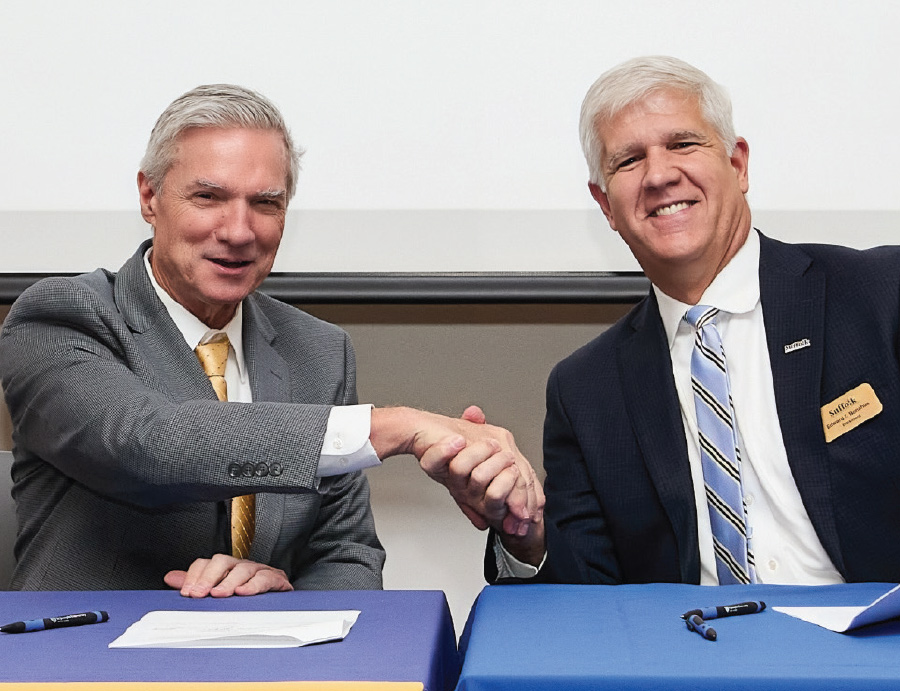
“Our two institutions are here to help students meet their goals and achieve degrees,” said Dr. Boomgaarden. “With strong programs, less student debt, scholarships and a smooth transition from community college to university, we are proud to reaffirm this long-standing partnership and continue to provide expanded opportunities for students.”
With 48 articulation agreements between the two institutions, the partnership will continue to facilitate upward educational mobility and enable students to stay on Long Island to complete their undergraduate studies.
Students in the joint admission program between the two schools are automatically considered for generous transfer scholarships and grants, including the Stay on Long Island Scholarship initiative that annually awards four full-tuition scholarships and eight $20,000 scholarships to SCCC graduates.
— Donald R. Boomgaarden, Ph.D.
What’s more, SCCC students who come to Patchogue to continue their education are successful. SCCC graduates who enrolled at SJNY have had a shorter time to degree completion and a higher average GPA than their classmates who either transferred before receiving a degree or transferred from other institutions.
“Suffolk County Community College lays the foundation for students while St. Joseph’s builds on top of that foundation with a direct pathway to a baccalaureate degree,” said Suffolk County Community College President Edward T. Bonahue, Ph.D. “St. Joseph’s remains a direct interest for Suffolk students who want to earn a four-year degree, but also want to remain on Long Island.”
“St. Joseph’s University, New York is transforming the world by fostering knowledge, prioritizing student success, and cultivating future leaders and global citizens through expanded opportunities and a world-class education,” concluded Dr. Boomgaarden.